business dispute lawyer atlanta for contract and commercial cases
Leading Commercial Courtroom Legal Professional: Defend Your Enterprise's Rights in Legal Conflicts
Resolving courtroom conflicts is a crucial facet of maintaining a venture. A top business litigation lawyer takes an key responsibility in safeguarding a company's stakes, especially when complex issues arise. Their skill in contract disputes and employment matters can greatly impact a business's outlook. Understanding their functions and the strengths that make them effective is essential for any organization encountering impending adversarial proceedings. What should businesses consider when determining the right attorney for their needs?
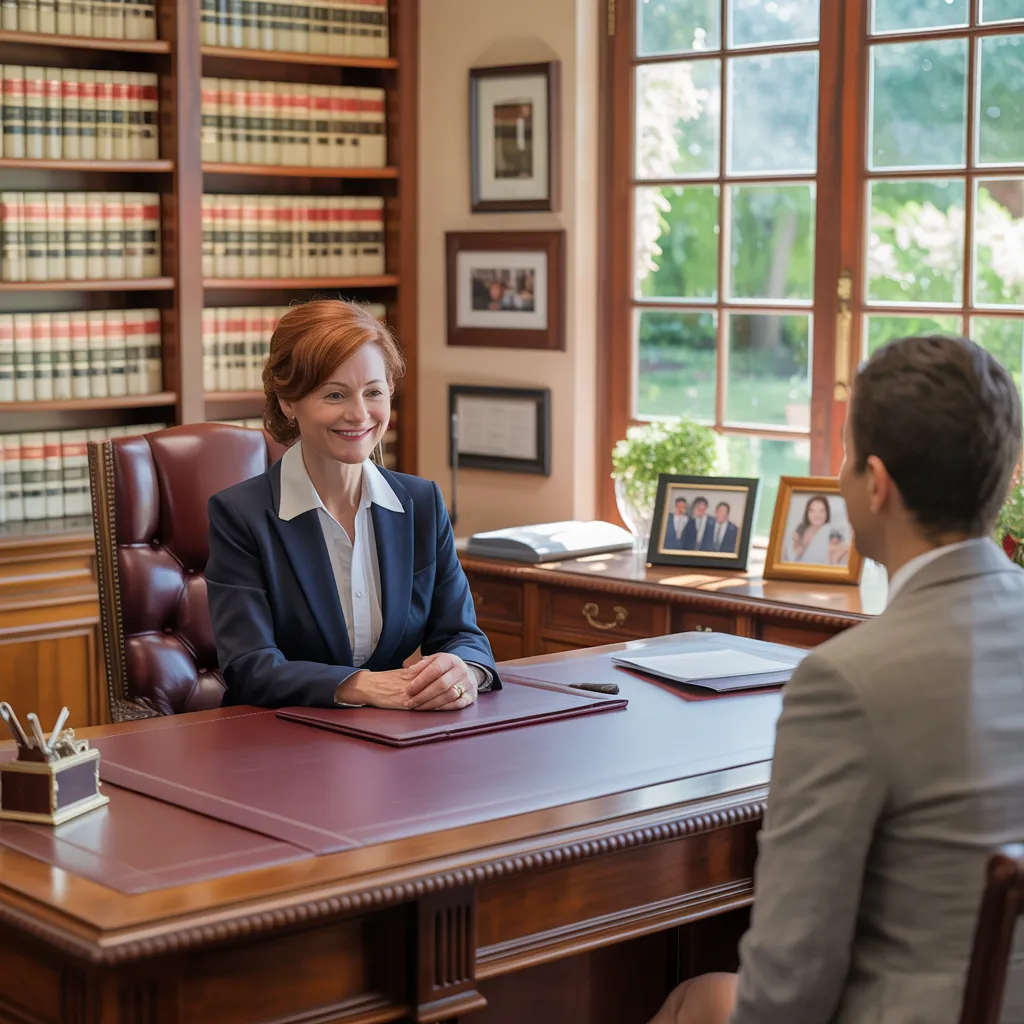
Why You Require a Business Litigation Lawyer
Tackling the complexities of commercial disagreements can be challenging, making the expertise of a business litigation lawyer required. Businesses frequently confront assorted legal matters, such as contractual disagreements, workplace issues, and regulatory requirements. Working with a skilled legal advisor helps address these intricacies, ensuring that a corporation's legal protections are secured.
A business litigation attorney possesses specialized knowledge of the court system, allowing them to create powerful approaches customized to each case. They can offer useful perspectives into likely results, assisting businesses choose wisely. Furthermore, their experience in settlement discussions and conflict resolution can result in favorable settlements, often avoiding the need for extended litigation.
In addition, a commercial dispute attorney can help draft and review contracts to prevent future disputes. Ultimately, having a skilled lawyer on board provides businesses with the necessary tools to address disputes effectively, safeguarding their interests and sustaining their operations.
Critical Features Indispensable for Commercial Legal Attorneys
Competent representation in commercial disputes depends on multiple essential attributes that a attorney must possess. Most importantly, a strong analytical ability is crucial; a lawyer must dissect complex legal issues and create efficient approaches customized for the particular conditions of each case. Furthermore, strong communicative abilities are critical, allowing the lawyer to distinctly present positions and bargain skillfully on for the benefit of the client.
Having experience in business law is another key quality, as knowing sector-specific regulations can greatly affect case outcomes. Furthermore, a proactive approach is essential; a lawyer should predict potential problems before they escalate, allowing for timely interventions. Lastly, integrity and professionalism are non-negotiable traits because they build trust and confidence between the lawyer and the client. Collectively, these qualities lay the groundwork for a successful business litigation lawyer, making sure that clients' interests are vigorously protected in legal disputes.
Resolving Agreement Conflicts: Understanding a Attorney's Duties
When companies enter into contracts, the potential for disputes inevitably arises, necessitating the guidance of a skilled lawyer. These law experts play a critical role in handling the intricacies of contract law, guaranteeing that their clients comprehend the conditions and responsibilities detailed in contracts. A lawyer's knowledge is invaluable in identifying areas of possible disagreement and advising on approaches to managing risk.
During a disagreement, a business litigation lawyer can assist in negotiations, seeking resolution through mediation or arbitration to sidestep protracted court battles. When litigation becomes inevitable, they support their clients' interests, presenting evidence and arguments to support their case.
In addition, a practitioner can impart insights into case law and legal statutes, enabling firms to make informed decisions. By reinforcing detailed agreements and settling disputes successfully, a practitioner ensures a company's stakes, in the end strengthening stability and growth.
The Manner Lawyers Support Workers With Employment Challenges
Lawyers play an important role in addressing employment issues by guiding clients through the complications of employment contracts. They assist in interpreting terms and conditions, guaranteeing that rights and obligations are clearly comprehended. Additionally, these attorneys help settle workplace disputes, facilitating negotiations and protecting clients' interests.
Handling Job Agreements
Navigating the intricacies of worker agreements can be difficult, as even minor details can significantly affect both employee and employer rights. Attorneys focused on commercial disputes play an essential role in drafting, reviewing, and negotiating these agreements. They ensure that provisions, such as compensation, benefits, and termination clauses, are clearly articulated and compliant with applicable laws. Additionally, attorneys can identify and mitigate potential risks, protecting from future conflicts. By offering guidance into sector norms and legal obligations, legal professionals help individuals make well-considered choices. Their knowledge not only streamlines the agreement procedure but also enhances the overall connection between companies and workers, fostering a more peaceful work setting.
Tackling Workplace Disputes
Employment disputes can develop even in well-structured environments, commonly arising from misconstructions or misinterpretations of employment contracts. Business legal counselors play a indispensable capacity in resolving these conflicts effectively. They extend authoritative legal counsel to both employers and laborers, aiding in the clarification of contractual language and operational protocols. By promoting mutual understanding, legal experts can mediate disagreements, pursuing amicable resolutions that escape lengthy litigation.
In cases where talks break down, these attorneys are ready to champion for their clients in the courtroom, guaranteeing that their interests and rights are protected. Whether addressing concerns like wrongful termination, discrimination, or wage disputes, experienced attorneys bring invaluable expertise to the conversation, building a more peaceful workplace while safeguarding legal compliance.
Handling Statutory Problems in Business
Across the landscape of business, traversing regulatory challenges is indispensable for compliance and operational success. Companies must develop sound strategies to address legal requirements while comprehending the intricate legal frameworks that oversee their markets. A proactive approach to regulatory compliance can diminish exposures and enhance comprehensive business resilience.
Regulatory Standards Strategies
Regulatory challenges can significantly affect a business's operations and financial performance. To reduce these threats, companies must implement strong regulatory adherence approaches. First, conducting thorough threat see the details assessments helps identify potential regulatory gaps. Regular educational programs for employees guarantee that they remain informed about applicable regulations and optimal standards. Creating a dedicated regulatory group can further improve supervision and responsibility. Additionally, utilizing digital tools, such as regulatory compliance platforms, streamlines tracking and documentation processes. Businesses should also foster transparent communication with regulatory authorities to stay informed on changes and expectations. By actively tackling regulatory issues, companies can protect their interests, avoid expensive penalties, and preserve a favorable image in their industry. These strategies are essential for long-term growth and operational integrity.
Traversing Legal Systems
Navigating the complex landscape of legal frameworks is vital for businesses aiming to address compliance issues efficiently. Enterprises must comprehend the complicated network of local, state, and federal regulations that oversee their operations. This knowledge not only aids adherence but also helps mitigate possible litigation matters. Working with litigation attorneys can provide important guidance into navigating these rules, guaranteeing that companies remain compliant while safeguarding their assets. Moreover, preventive legal approaches can detect possible compliance risks before they develop into serious issues. By remaining aware about regulatory updates and industry-specific regulations, companies can adapt their practices, thereby fostering a culture of compliance that minimizes exposure to litigation and enhances overall business stability.
The Essential Nature of Responsiveness and Availability in Lawyer Services
How key is effective communication in the field of legal representation? In business litigation, explicit and responsive communication between a lawyer and their client reinforces a strong working relationship. Clients must understand the legal strategies being employed and their potential implications. Regular updates on case progress guarantee that clients remain informed and engaged, which is critical for decision-making.
Availability is just as important. A lawyer's ability to respond quickly can significantly impact a client's experience, as prompt responses to inquiries can reduce anxiety and establish trust. When clients feel heard and supported, they are better positioned to work fully and provide required information.
Additionally, effective communication can help circumvent misunderstandings that might escalate into larger disputes. Ultimately, the union of potent dialogue and openness not only elevates client gratification but also facilitates to more superior results in legal disputes. Hence, these qualities are paramount in the sphere of business litigation representation.
When is it the right time to retain a corporate legal counsel?
Identifying the right moment to hire a business litigation lawyer can be vital for the positive resolution of a case. Companies should evaluate retaining attorney services at the early indicators of a looming conflict, such as a breach of contract or a disagreement with a partner. Prompt engagement of a legal expert can help in assessing challenges and creating solutions, potentially preventing intensification.
In addition, if a enterprise is served with a official complaint or legal summons, acquiring legal counsel becomes critical to assure adequate response and legal defense. Firms should also speak with an attorney when discussions break down and legal action becomes necessary, as skilled attorneys can work through complex legal terrain.
In addition, if the weight of a controversy are high—whether budgetary, standing-related, or day-to-day—obtaining a litigation lawyer is mandatory. Their competence not only protects a business's interests but also amplifies the potential of a desired success in any legal proceeding.
Frequently Commonly Questions
What Are the Typical Fees for Business Litigation Lawyers?
Business legal advocates specializing in disputes typically charge between $150 to $500 per hour, depending on their expertise and the intricacy of the case. Some may also provide flat fees or retainer agreements for particular legal work.
What Timeframe Can You Expect for an Ordinary Business Legal Dispute?
A business legal action normally persists for several months to a few years on typically. The time frame is influenced by multiple elements including case sophistication, court availability, and the parties' willingness to negotiate settlement agreements.
Can I manage My Company Without a Lawyer?
Yes, a company can represent itself without a lawyer, but doing so may lead to difficulties. Complex legal matters often require expertise, making legal counsel advisable to navigate possible complications and ensure proper handling of conflicts.
What Are the Risks of Not Employing a Lawyer?
Foregoing attorney services creates pitfalls including likely judicial mistakes, poor comprehension of statutes, adverse settlement terms, heightened exposure, and the risk of failing to win a court case as a result of missing skilled legal counsel and direction.
What Steps Should I Take to Find a Qualified Business Litigation Lawyer?
To locate a credible commercial litigation attorney, one should seek referrals from trusted contacts, examine internet feedback, evaluate their experience in similar cases, and confirm their qualifications through state bar associations or attorney listings.